
The Role of Structural Engineering in Oil, Gas, and Petrochemical Industries
Structural engineering is the backbone of infrastructure in the oil, gas, and petrochemical industries. From designing robust pipelines and storage tanks to constructing safe and efficient processing facilities, structural engineering ensures that these industries operate seamlessly in the most demanding environments. Let’s delve into the critical role structural engineering plays in these sectors.
1. Designing for Safety and Durability
Safety is paramount in the oil, gas, and petrochemical industries due to the hazardous nature of materials handled. Structural engineers design facilities and components to:
Withstand Extreme Conditions: Facilities must endure high pressure, temperature fluctuations, and corrosive environments.
Prevent Failures: Structures are engineered to minimize risks of leaks, explosions, or collapses.
Meet Regulatory Standards: Compliance with international safety standards is a top priority in structural design.
2. Optimizing Efficiency Through Innovative Designs
Efficiency is critical to profitability in these industries. Structural engineers contribute by:
Enhancing Workflow: Designing layouts that facilitate smooth operations, such as efficient pipe-rack systems.
Incorporating Advanced Materials: Using high-strength, lightweight materials to reduce construction and maintenance costs.
Modular Construction: Prefabricated structures allow faster assembly and reduced downtime.
3. Supporting Large-Scale Infrastructure
The sheer scale of oil, gas, and petrochemical projects demands exceptional structural engineering. Key applications include:
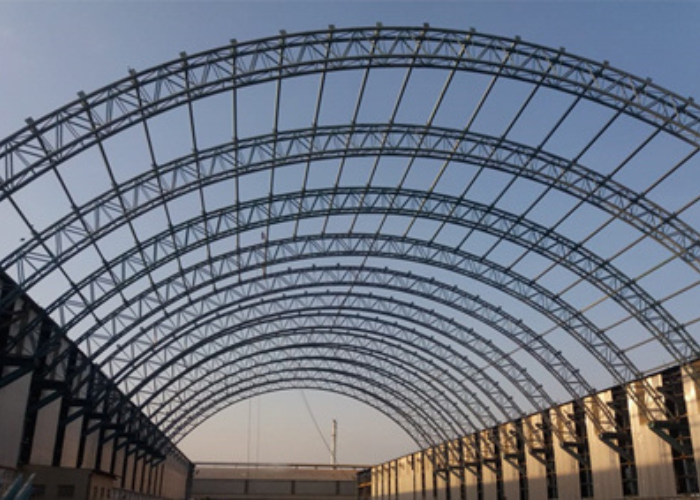
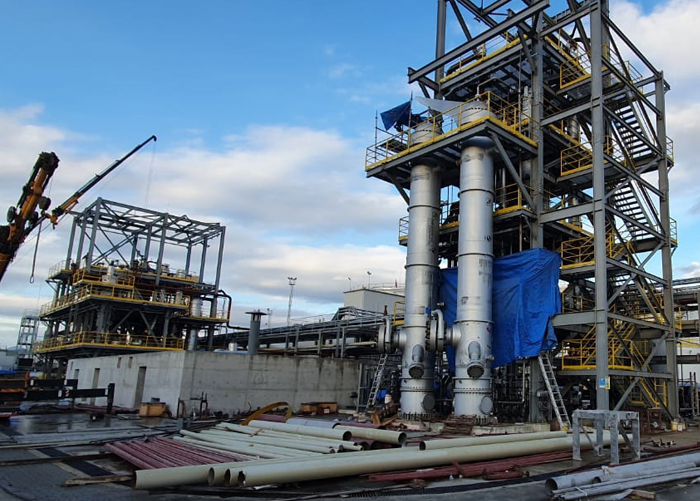
Refineries: Massive facilities for processing crude oil require robust structural foundations to support heavy machinery.
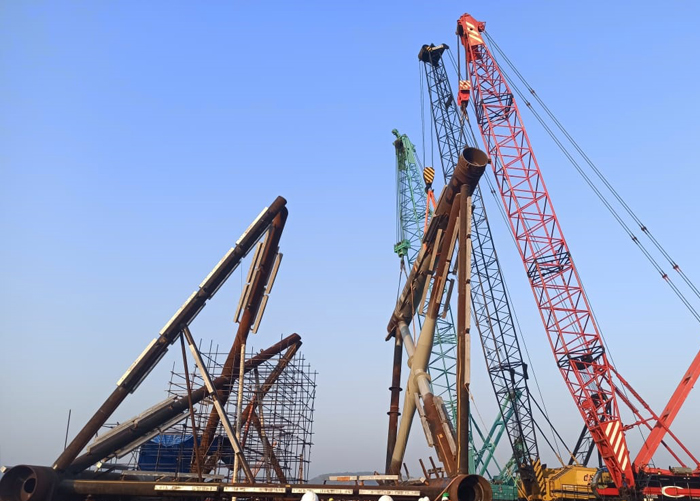
Offshore Platforms: These structures are designed to withstand marine conditions, including waves, wind, and saltwater corrosion.
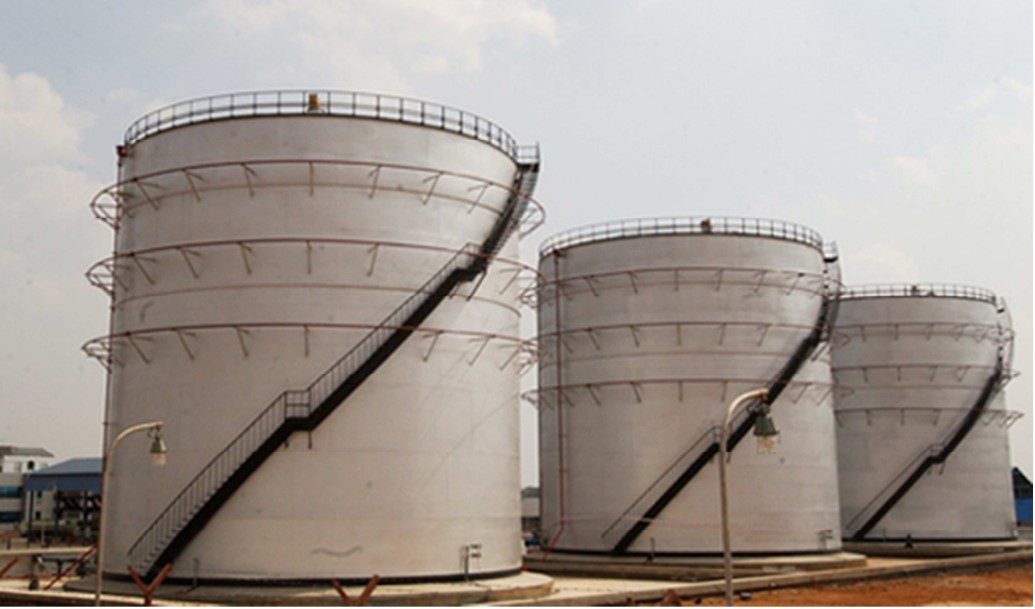
Storage Tanks: Engineers design tanks for secure storage of oil and gas, considering factors like pressure and temperature resistance.
4. Ensuring Environmental Sustainability
As industries shift toward sustainable practices, structural engineering plays a pivotal role in reducing environmental impact:
Green Designs: Incorporating renewable energy sources and minimizing waste during construction.
Carbon Capture Systems: Designing structures that facilitate carbon capture and storage (CCS) technologies.
Reducing Material Wastage: Using precise modeling tools like BIM (Building Information Modeling) to optimize material use.
5. Leveraging Technology for Better Outcomes
Modern structural engineering integrates cutting-edge technology to improve designs and performance:
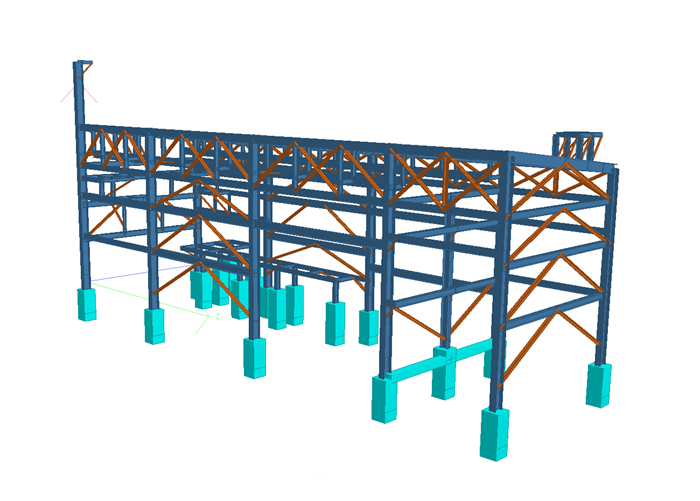
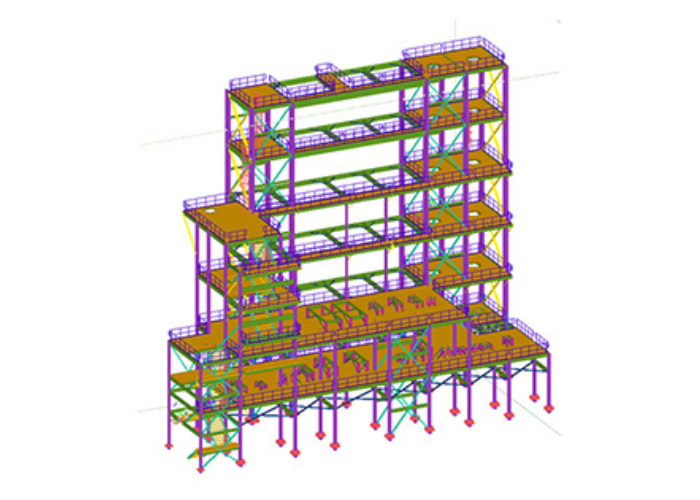
3D Modeling and Simulation: Enables engineers to visualize structures, test designs, and predict performance under real-world conditions.
AI and Machine Learning: Used for predictive maintenance and optimizing structural integrity.
Advanced Software: Tools like STAAD.Pro and ANSYS are employed for complex analysis and design.
6. Collaboration Across Disciplines
Structural engineers often collaborate with mechanical, electrical, and process engineers to ensure seamless integration of all systems:
Cross-Disciplinary Expertise: Structural designs must accommodate heavy equipment, pipelines, and electrical systems.
Project Management: Engineers work alongside project managers to ensure timely delivery of projects.
Conclusion
Structural engineering is a cornerstone of the oil, gas, and petrochemical industries, enabling safe, efficient, and sustainable operations. With advancements in technology and a growing emphasis on sustainability, structural engineers continue to innovate and adapt, ensuring that these critical industries meet the challenges of the future.
At Aksha Engineering & Consultancy, we specialize in providing structural solutions tailored to the unique demands of these industries. Contact us to learn more about how our expertise can support your projects.