
The Role of 3D Modeling in Structural Engineering Projects
Structural engineering is evolving rapidly with advancements in technology, and one of the most transformative tools in recent years is 3D modeling. By visualizing structures in three dimensions, engineers can improve accuracy, efficiency, and collaboration in projects ranging from industrial plants to residential buildings. This blog explores the pivotal role of 3D modeling in structural engineering and how it’s reshaping the industry.
What is 3D Modeling in Structural Engineering?
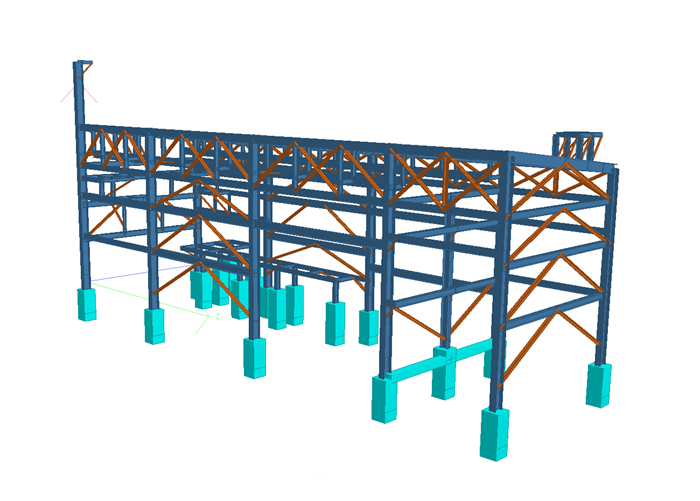
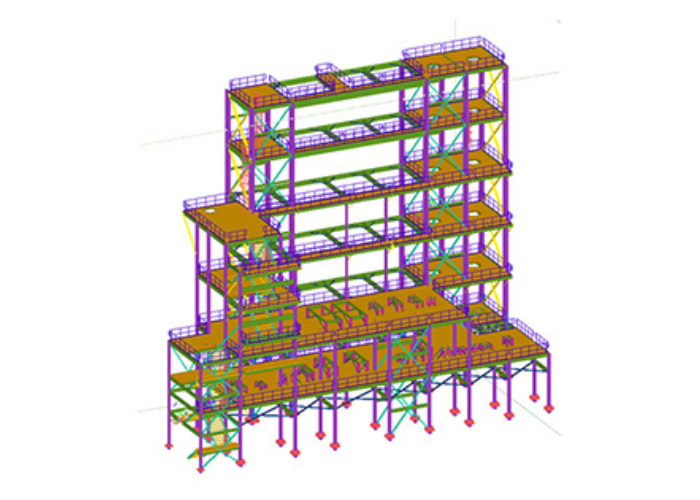
3D modeling involves creating a digital representation of a structure in three dimensions. Unlike traditional 2D drawings, 3D models provide a comprehensive view of a project, allowing stakeholders to see how components interact in real space.
Key tools used include:
Building Information Modeling (BIM): Platforms like Revit or Tekla for design and documentation.
Finite Element Analysis (FEA): Software like ANSYS for analyzing structural loads and stresses.
3D CAD Software: Programs like AutoCAD or SolidWorks for detailed structural designs.
Benefits of 3D Modeling in Structural Engineering
3D modeling brings numerous advantages to structural engineering projects:
a. Improved Accuracy
Error Reduction: By visualizing the entire structure, potential design conflicts or errors are identified early.
Precise Measurements: 3D models offer exact dimensions, ensuring accuracy in construction.
b. Enhanced Collaboration
Real-Time Sharing: Engineers, architects, and contractors can collaborate seamlessly.
Visual Clarity: Stakeholders, even non-technical ones, can understand the design better.
c. Time and Cost Efficiency
Faster Approvals: Clear visualizations accelerate decision-making.
Reduced Rework: Identifying issues in the design phase minimizes costly changes during construction.
d. Better Visualization
Complex Designs Simplified: Engineers can demonstrate how intricate structures function.
Simulations: Visualizing loads, stresses, and material behaviors in real-world scenarios.
Applications of 3D Modeling in Structural Engineering
3D modeling is versatile and can be applied across various project types:
a. Industrial Structures
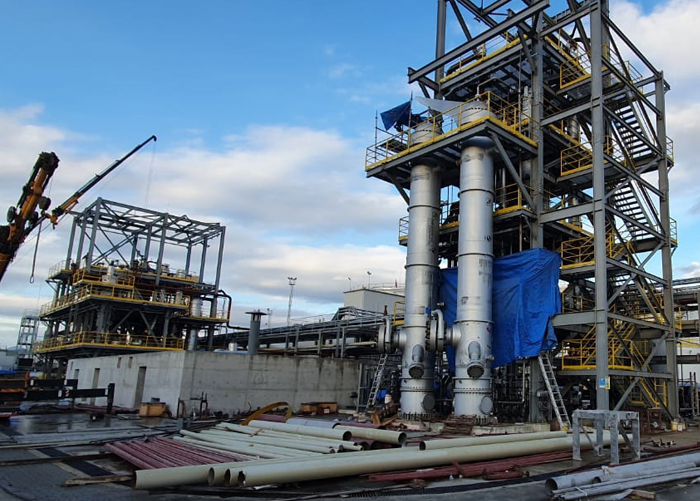
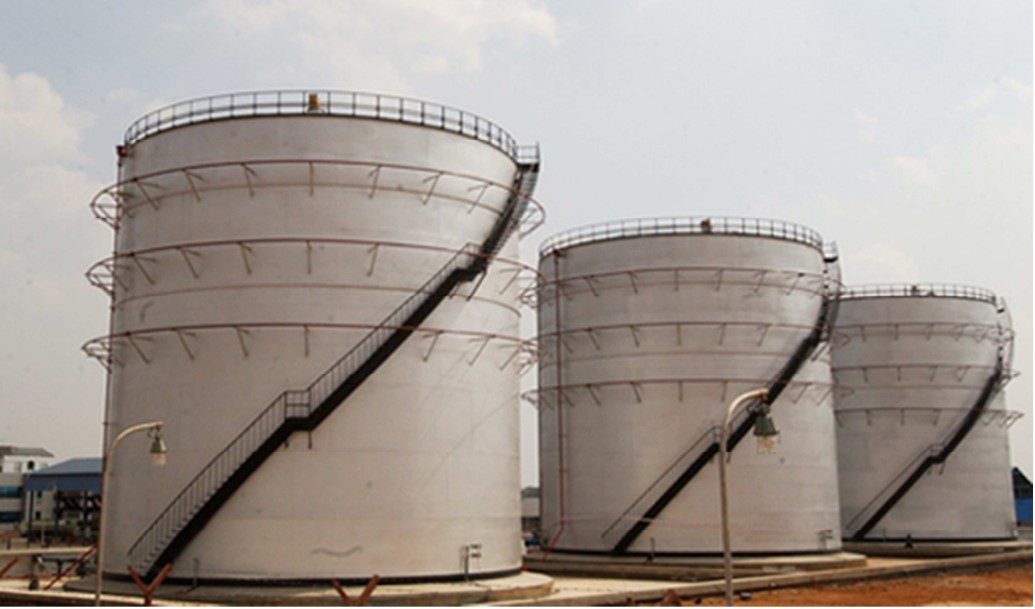
Pipe racks, silos, and machinery foundations can be visualized in detail.
Ensures components are designed to fit seamlessly with mechanical and electrical systems.
b. High-Rise Buildings
3D models help in designing load-bearing elements and optimizing material usage.
Enables precise alignment of architectural and structural components.
c. Bridges and Infrastructure
Simulates dynamic loads, such as traffic and wind forces.
Improves the design of support structures and joints.
d. Retrofitting and Renovation
Existing structures can be scanned and modeled for accurate retrofitting designs.
Enables engineers to anticipate challenges in old buildings or facilities.
The Future of 3D Modeling in Structural Engineering
The role of 3D modeling will continue to grow as technology advances:
Integration with AI and Machine Learning: Automated design adjustments based on performance predictions.
Virtual Reality (VR): Allows engineers and stakeholders to walk through virtual models for better understanding.
Sustainability: Optimizing designs for material efficiency and environmental impact.